zuudo app Redesign
Improved navigation experience

Quantitative UX Optimization & Interaction Accuracy Improvement
• 4x improvement in touch accuracy
• Average Customer Effort Score (CES): 9.68
• Map UI satisfaction score: 9.3
Overview
Many people wonder “Where should I go, and what should I drink today?”
But because searching for information feels cumbersome or overwhelming, they often end up revisiting the same familiar places.
Zuudo was conceived as a keyword-based recommendation platform that allows users to explore venues based on drink type, atmosphere, and personal taste designed to make discovering new places easier and more intuitive.

Background
Despite the initial concept, the service was discontinued due to low usability and declining user satisfaction. To understand what went wrong, I conducted interviews with actual users who had used the app when it was live.
Interviews were conducted with users who actively used the service during its operation in 2022.
The keyword recommendation idea was good, but the filters didn’t really help.
Since the filters were based on subjective reviews, I wasn’t sure I could trust them.
You could only select one type of alcohol at a time it felt very limiting.
Search wasn’t based on my exact location, and it was hard to tell where places were just from the map.
• Ineffective filters
• Restrictive exploration structure
• Insufficient location data (lack of GPS-based search)
Hypothesis 1
Users struggled to find places that matched multiple conditions.
In a task given to 32 users to find a specific venue, 5 users dropped out midway, and the average ease-of-completion score was only 3.125 out of 10.
If filter keywords were improved, users would be able to find places more easily.


Task - Select a wine bar that sells beer, allows corkage, and has a calm atmosphere.
Keyword search was the core feature, but it could not be used effectively.
Only one drink type could be selected at a time, preventing combined searches
Filters relied on subjective user opinions, reducing trust and clarity
Redesign direction to address these issues
Combine alcohol types and detailed filters to allow multi-selection
Clarify and systematize criteria to improve trust and search efficiency
Hypothesis 2
A survey asking 32 users how important location information was when choosing a venue resulted in an average score of 9 out of 10.
Introducing map-based exploration would improve search efficiency.

How important is location when choosing a place?
Users value location-based exploration.
Location could only be set at the neighborhood (“dong”) level, making distance-based search difficult
Current location and venue information were not clearly connected on the map, causing confusion
Redesign direction to address these issues
Introduce user-centered markers and radius sliders for intuitive spatial search
Enable map-based exploration reflecting the user’s current position, allowing natural discovery within their visible area
Solution - Filter Redesign
① Alcohol categories and detailed filters were separated into lists, making it difficult to search for venues offering multiple drink types (e.g., wine and beer).
② Atmosphere filters were subjective, making it hard for users to trust and act on the information.

① Alcohol types were integrated into detailed filters, enabling multi-selection.
② Subjective “atmosphere” filters were redefined as theme-based filters, categorized by actual venue attributes and offerings.

Solution - Map Based Exploration
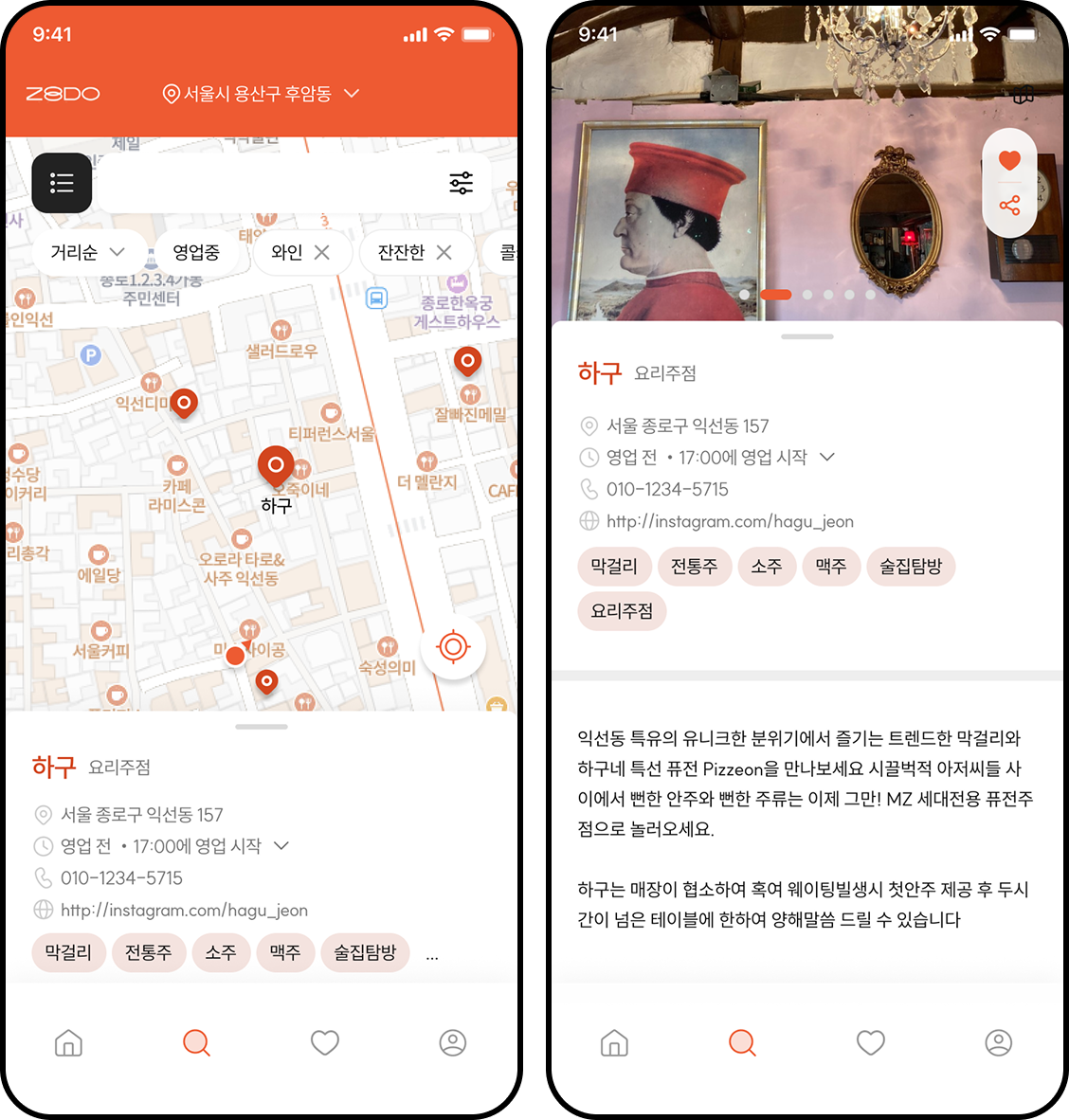
① The map function only displayed static markers, preventing users from searching based on their current location.

① Users can apply filters relative to their current position and intuitively explore venues within a defined radius on the map.

Results — Insight 1
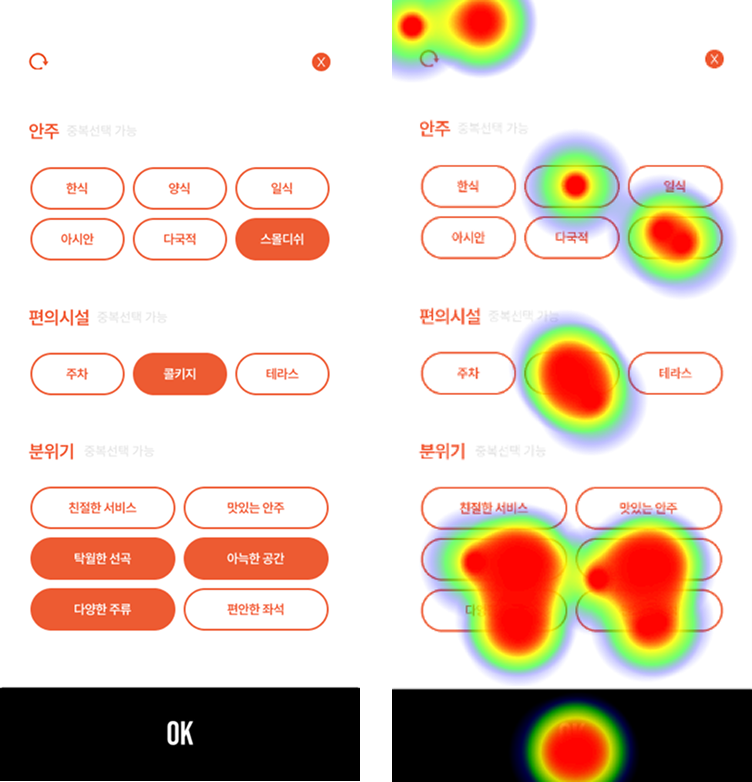
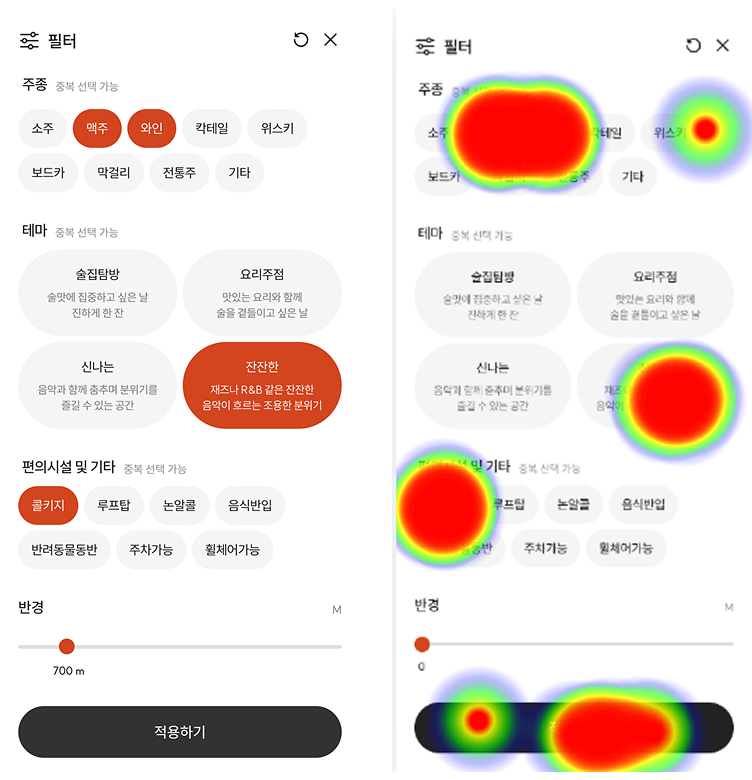
Heatmap analysis revealed confusion in user flows, which was resolved through structural improvements that clarified condition selection.
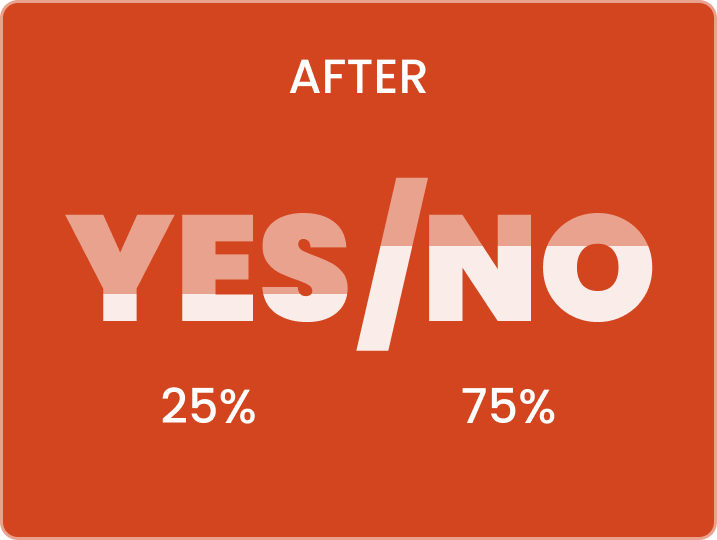
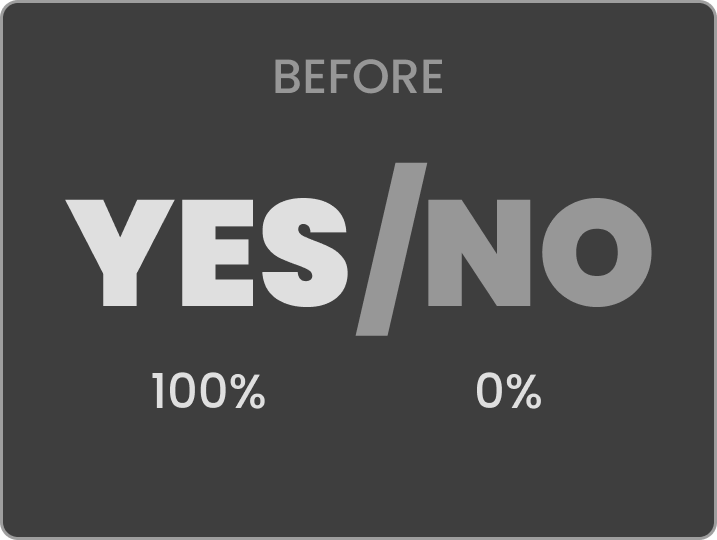
Q. Were there moments during the task where you felt unsure about what to tap or hesitated?
Mission - Find a venue using filters
Condition: A calm wine bar that sells beer and allows corkage
Touch accuracy
21.875%
Average completion time
67.62s
Touch accuracy
21.875%
Average completion time
67.62s
Results — Insight 2
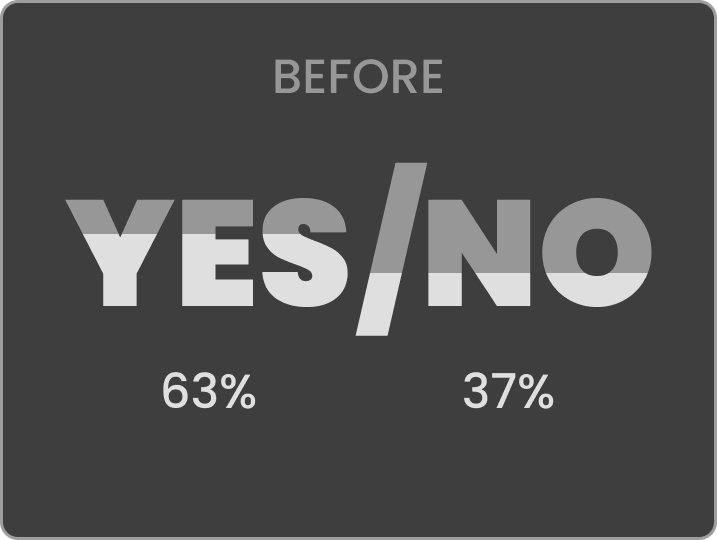
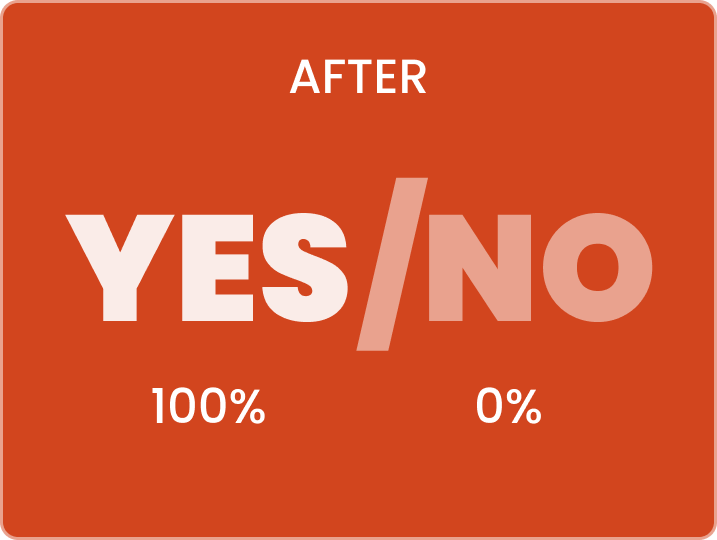
With an average Customer Effort Score (CES) of 9.68, users were able to combine complex conditions with ease. 100% of participants reported that the integrated filter helped them choose a place.
Q. Did separated alcohol and detail filters help you find a place?
Q. Did the integrated filter structure help your search?
Q. How easy was it to complete the task?
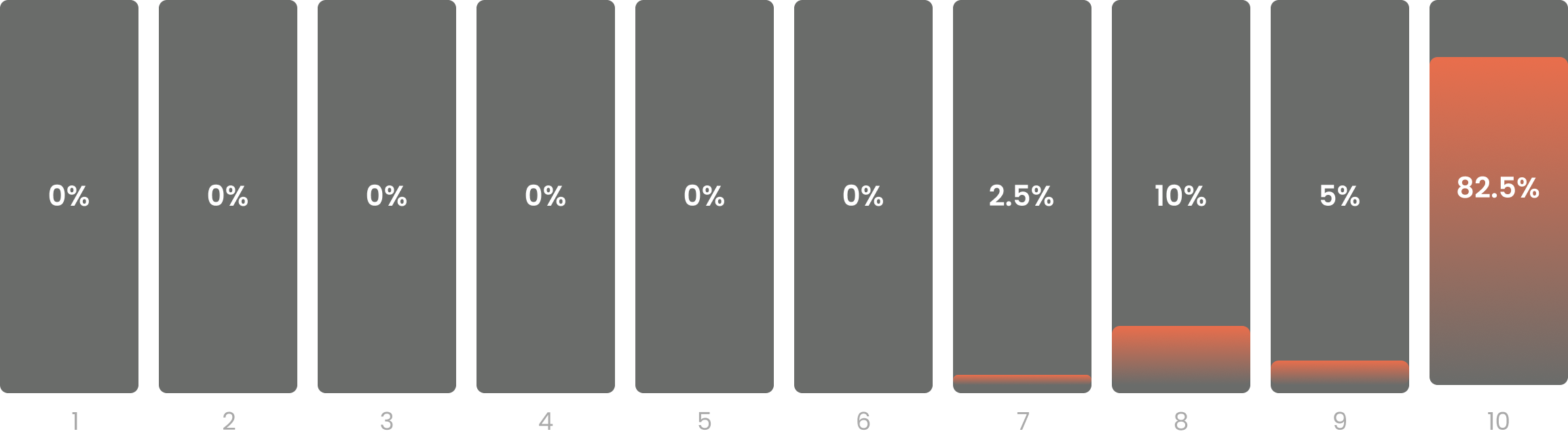
Average Customer Effort Score (CES)
9.68
Results — Insight 3
When performing the same task using map-based exploration, 87.5% of users found it more intuitive than list-based browsing. Satisfaction with using filters alongside the map averaged 9.3 out of 10, indicating users felt they could find places better suited to their goals.
Q. Was exploring places through the map interface convenient for you?
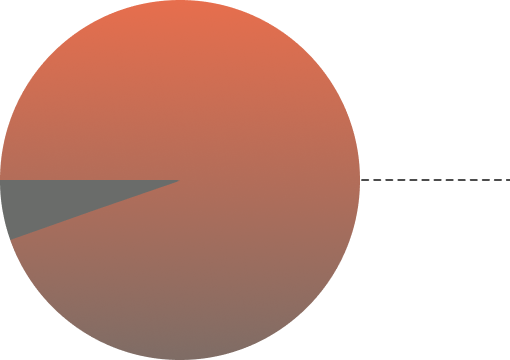
“Yes”
87.5%
Q. Did using filters together with the map help you find places that matched your intent?
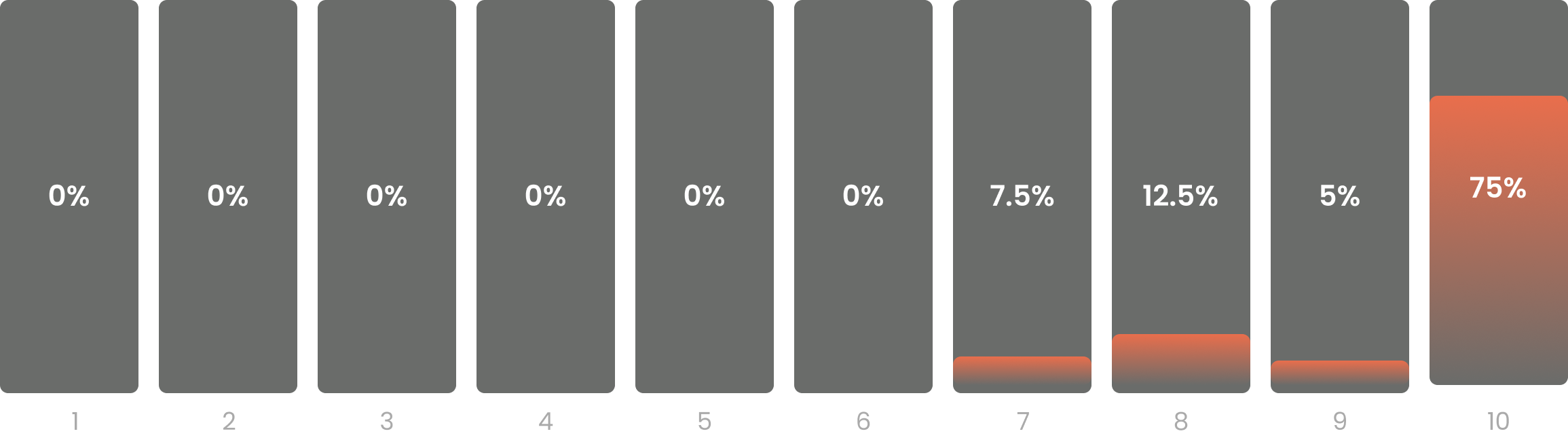
Average satisfaction
9.3
Reflection
This project involved forming hypotheses, validating them through data, and deriving next questions.
Improvements in metrics such as touch accuracy, CES, and satisfaction confirmed that UI changes can directly influence user behavior.
This experience later informed how I prioritized what to validate first and how I approached MVP design in the Gloam project.
goal-bg.png)